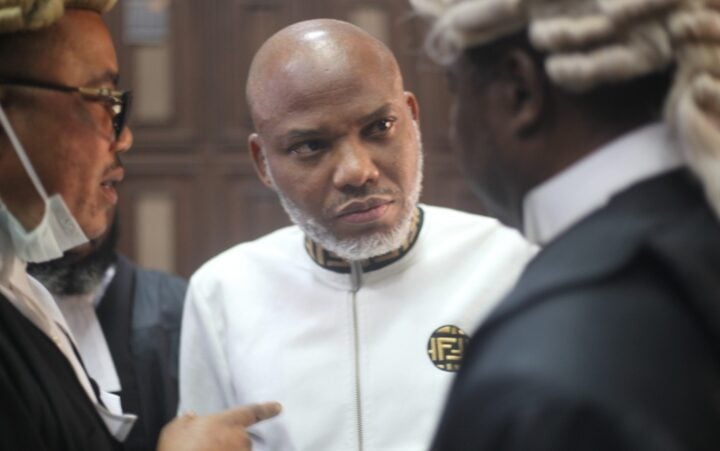
The Conscience of Nigeria’s Democracy The case of Mazi Nnamdi Kanu has transcended legal boundaries to become a litmus test for Nigeria’s collective fidelity to justice and the rule of law. The involvement of prominent figures like former Vice President Atiku Abubakar signals a watershed moment, reframing the issue from a regional agitation into a national democratic demand for: - Fairness and due process. - Equality before the law. - Adherence to the moral fabric of the Nigerian Federation.
Atiku’s Endorsement: A National Moral Movement Atiku Abubakar’s public support for the #FreeNnamdiKanu movement carries significant weight, transforming the cause in several ways: - National Legitimacy: It validates the belief that Kanu’s continued detention, despite the 2022 Appeal Court discharge, is a legal aberration. - International Visibility: It compels global actors like the United Nations and Amnesty International to reconsider Nigeria’s human rights commitment. - Universal Appeal: It shifts the narrative from an 'Igbo cause' to a universal struggle for human rights and judicial integrity.
Exposing Administrative Hypocrisy and Double Standards The intervention highlights a perceived inconsistency in the current administration’s approach to justice: - Selective Amnesty: While some terrorists and bandits have received amnesty, Kanu remains detained for offenses rooted in speech and advocacy. - Constitutional Promise: This disparity challenges the promise that all citizens are equal before the law. - Mobilizing Catalyst: Such high-profile support emboldens civil society and youth movements to demand government accountability without fear.
Democratic Lessons and Strategic Solutions The current moment offers profound lessons for Nigeria’s democratic journey, including the necessity of leadership in moral crises and the non-negotiable nature of transparency. To move forward, a clear legal path exists: - Section 174(1) of the 1999 Constitution: The Attorney-General has the power to enter a nolle prosequi to discontinue the case. - Statesmanlike Gesture: Releasing Kanu would be an act of strength that de-escalates tensions in the Southeast. - Socio-Economic Benefits: Freedom for Kanu could end 'sit-at-home' disruptions and revive commerce in major Eastern hubs like Aba and Onitsha.
Conclusion: The Litmus Test of Justice Nnamdi Kanu’s walk to freedom is ultimately the litmus test of Nigeria’s claim to democracy. Choosing compassion and legality over political vindictiveness is the only way to rekindle hope in a wounded nation. As Martin Luther King Jr. famously noted, 'Injustice anywhere is a threat to justice everywhere.' The government’s response to this call will determine the future of public trust and national unity.